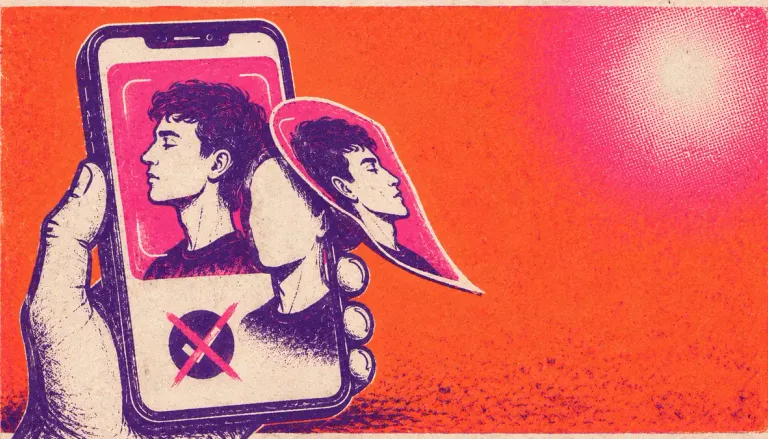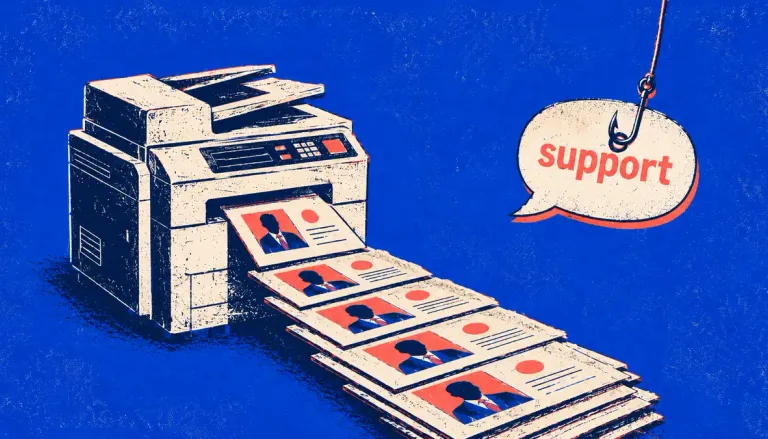
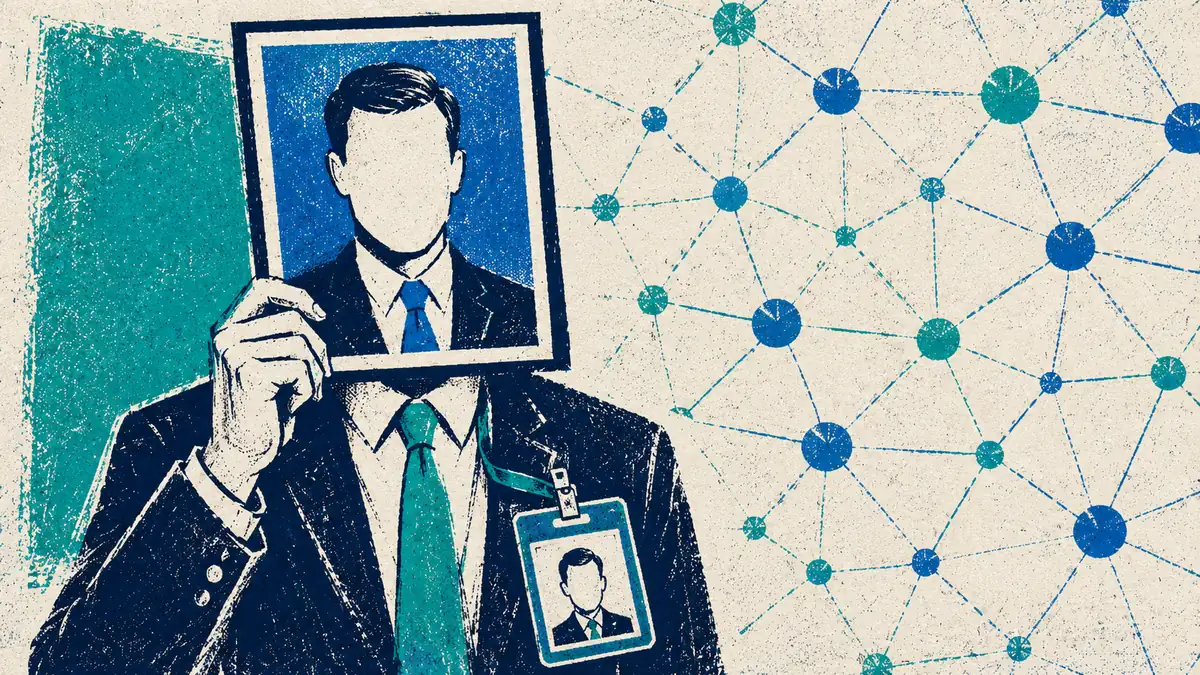
LinkedIn impersonation usually surfaces through a worried message. An employee asks whether "you" really just connected and pitched them, or a customer forwards a note from a fake version of your CEO. The platform runs on professional trust, which is exactly what makes a fake leadership profile so effective. It is also why you tend to find out only once it has already reached someone.
Staying reactive keeps you a step behind. Protecting your brand and your leaders on LinkedIn takes two things: detecting impersonation early, and getting it removed for good. This guide covers both, and why simply reporting a profile rarely does the job.
A fake exec profile is found late by design
By the time a fake exec profile reaches you, it has already been connecting with your network and trading on your reputation. Independent data shows why that lag is dangerous. The US Federal Trade Commission reports that consumers lost $1.9 billion to scams that started on social media in 2024, roughly eight times the 2020 figure, and professional networks are prime ground for recruitment and investment scams.
$1.9B
lost to social-media scams in 2024 (FTC)
80.6M
fakes LinkedIn "blocked at signup" in six months, a vanity metric, not live-fake removals
?
how fast a live impostor of your CEO comes down, a figure LinkedIn never reports
LinkedIn is a textbook case for reading platform statistics critically. It reports removing tens of millions of fake accounts "at registration" each half-year and catching over 99% before anyone reports them. Impressive, until you notice it is a count of blocked signup attempts. An attacker just registers again until one slips through, and that surviving profile is now messaging your staff with your CEO's face on it. "We stopped 99 of 100 attempts" and "a working fake is live right now" are both true at once. The metric that matters to you is the one LinkedIn does not publish: how fast a live impostor comes down.
So you cannot rely on the platform to protect your leaders for you. New fakes appear faster than you can stumble on them. That is the case for the two pillars below: monitoring and takedowns.
Monitoring: watch the names, not just the logo
On LinkedIn, impersonation targets people more than the brand, so watch the names as well as the logo:
- New profiles using a leader's real photo but with little or no connection history.
- Slightly altered names or headlines, and connection requests followed quickly by a pitch.
- "Recruiters" using your company name to ask candidates for fees or personal data.
- Duplicate company pages reposting your brand under a different admin.
Watching every name on your leadership team, continuously, is not realistic by hand. Continuous social media monitoring scans LinkedIn for profiles and pages using your brand and your executives' identities, scores each by risk, and alerts your security and HR teams within hours, before a fake leader reaches your network.
Why one report of a live impostor goes nowhere
Identifying the fake is the easy half. Removing it is harder, because a single in-app report of a live impostor is one faint signal among millions, as the numbers above show. Asking the whole team to report it does not change the math. Reviewers approve a removal only when the violation is obvious in seconds.
What works is a documented case under a specific policy that a reviewer can approve without investigating. On LinkedIn, where there is little reused marketing imagery, the evidence looks a little different from other platforms.
The evidence that removes a fake profile
Choose the basis that is easiest to prove:
- Copyright on the photo. A fake exec profile almost always reuses the real person's headshot, a copyrighted image you (or your photographer) own. On a platform with little else to copy, that is often the cleanest, most provable basis.
- Trademark. For fake company pages or profiles using your registered name or logo, a trademark complaint through LinkedIn's rights-holder channel is strong.
- Impersonation. LinkedIn does accept impersonation notices. Make them actionable with a side-by-side against the genuine, ideally verified, profile rather than a bare assertion.
Then assemble the case: links to both profiles, the original photo and where it was first published, your registration where relevant, and a precise pointer to the policy. File it through LinkedIn's notice forms, not a casual report. And expect that a removed fake of a high-profile leader will often be replaced.
When executive impersonation needs a pro
One fake profile, you can handle. A recurring problem across an entire leadership team is another matter. Each impostor needs its own evidence, the right notice, and a fresh filing every time it returns, and that is a workload your security and HR teams should not be absorbing by hand.
That is our work. nebty runs managed takedowns. We preserve the evidence, choose the strongest legal angle, file with the platform, and push until the fake is gone. Paired with monitoring, executive impersonation gets caught early and removed fast, instead of one stressful case at a time.
Frequently asked questions
There is a fake LinkedIn profile of our CEO. What is the fastest way to remove it?
Lead with the reused photo. A fake executive profile almost always copies the real person's headshot, which is copyrighted material you or your photographer own. That is often the cleanest, most provable basis. Pair it with a side-by-side against the genuine (ideally verified) profile in a LinkedIn impersonation notice, rather than a bare "this account is fake" report.
LinkedIn says it blocks 99% of fakes. Why is one impersonating our exec right now?
Because that "99%" counts blocked signup attempts, not live fakes. An attacker simply registers again until one slips through, and the survivor is the profile now messaging your staff. The platform's number and a working fake of your CEO are true at the same time. That is why you need your own detection and removal process.
Is the reused profile photo really enough to get a fake taken down?
Often, yes. Copyright on the headshot is concrete and verifiable in a way "impersonation" alone is not. Supply the original image, where it was first published, and a link to the genuine profile. For fake company pages using your name or logo, a trademark notice through LinkedIn's rights-holder channel is the stronger lever.
How do we watch the whole leadership team for impersonation?
Manually checking every name across your leadership is not realistic. Continuous monitoring scans LinkedIn for profiles and pages using your brand and your executives' identities, scores each by risk, and alerts your security and HR teams within hours, before a fake leader reaches your network.