If you are reading this, a fake Instagram account has probably already been reported to you. Maybe by a customer who almost got scammed, maybe by a colleague, maybe through your support inbox. That is how most brands discover impersonation: after it has already reached someone.
And that is the real problem. Reacting to fakes one at a time, after they surface, leaves you a step behind. Protecting your brand on Instagram comes down to two things: detecting impersonation early, and getting it removed for good. This guide covers both, and why the obvious "just report it in the app" route so often disappoints.
Why you almost always find out too late
When you discover a fake through a user report, the account has already been live. It has been following your customers, sliding into their DMs, and trading on your name. Independent data shows how costly that lag is. The US Federal Trade Commission reports that consumers lost $1.9 billion to scams that started on social media in 2024, roughly eight times the 2020 figure. That number comes from real-world harm, not a platform's own dashboard.
$1.9B
lost to social-media scams in 2024 (FTC)
1B+
fake accounts Meta removes per quarter, almost all blocked at signup, not live-fake removals
?
how long a live fake stays up before removal, the figure platforms never publish
Be skeptical of the reassuring statistics the platforms publish about themselves. Meta says it removes more than a billion fake accounts a quarter. Every network claims it catches "over 99% before anyone reports them". Those figures mostly count signup attempts blocked at the door, and a scammer simply retries until one gets through. Block nine and let the tenth live, and the platform still reports a 90% success rate while a working fake sits online targeting your customers. The number that matters to you is the one none of them report: how quickly a fake that is already live gets pulled.
So you cannot outsource this to the platform's algorithms. Impersonators spin up replacements constantly, and a single takedown turns into whack-a-mole unless you can see the next fake coming. Hence the two pillars below: monitoring and takedowns.
Monitoring: catch fakes before your followers do
Catching impersonation early means watching for the traces a fake leaves behind, continuously and at scale:
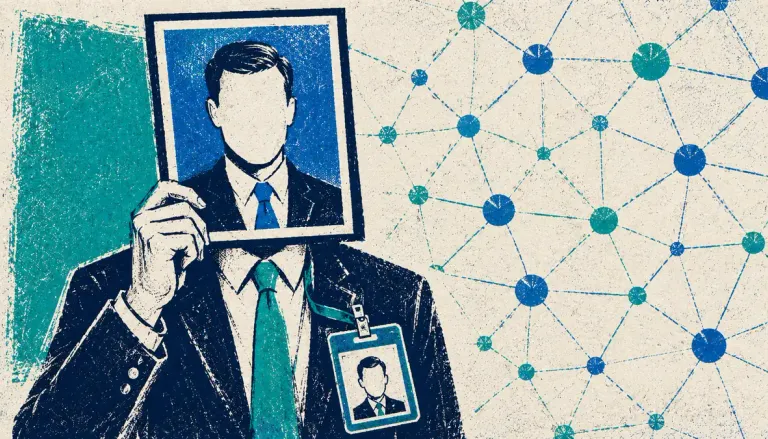
- Handles and display names that mimic yours, with an added dot, an underscore, or "official".
- Your logo used as a profile picture and your posts reposted as theirs.
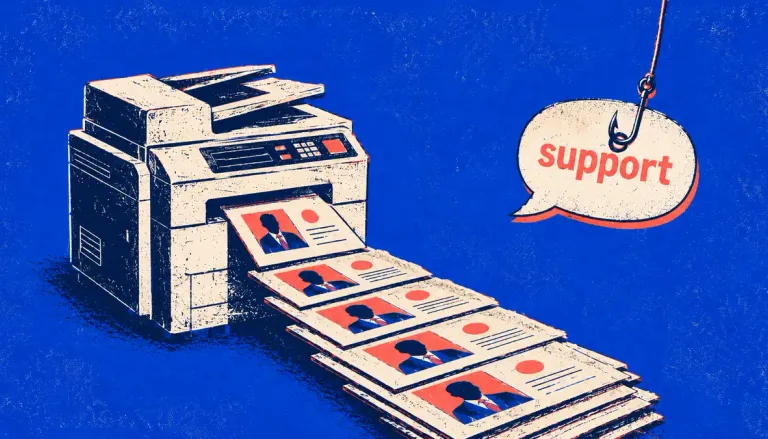
- New accounts messaging your followers or commenting "support" links under your posts.
- Bio links pointing to look-alike domains or counterfeit shops.
You cannot do this by hand around the clock, across every variation of your name. Continuous social media monitoring scans Instagram for accounts using your brand, logos, and executives, scores each finding by risk, and alerts you within hours. You act before the fake reaches your audience, not after a customer does.
Detection is easy. Removal is the hard part.
Spotting a fake is the easy half. Removing it is where brands get stuck, because Instagram does not make it simple. The instinct is to open the profile, tap report, pick "it's pretending to be someone", and maybe ask a few colleagues to report it too. That rarely works, and a flood of reports from connected accounts can even look like coordinated behavior.
Here is why. An Instagram reviewer, whether a person or an algorithm, spends seconds on each report, and if the violation is not immediately obvious, the default answer is "no violation found". Your report is one weak signal among millions. What does move the needle is a documented case under a specific policy that a reviewer can approve in seconds, without having to investigate.
Which complaint actually gets an account pulled
You usually have to choose one basis for the complaint. Pick the one you can prove most easily, not the one that feels most outrageous:
- Copyright is usually the quickest on Instagram. The account survives on your visuals: your photos, your logo, your reposted feed. That is clear-cut infringement, and you can prove it with your originals through Meta's intellectual-property form.
- Trademark. If the handle or name uses your registered name or logo, a trademark complaint is strong. Meta's Brand Rights Protection program is the channel for rights holders.
- Impersonation or fraud. The most obvious framing, but the hardest to prove. "Fraud" needs context a reviewer will not research, which makes it the weakest basis on its own.
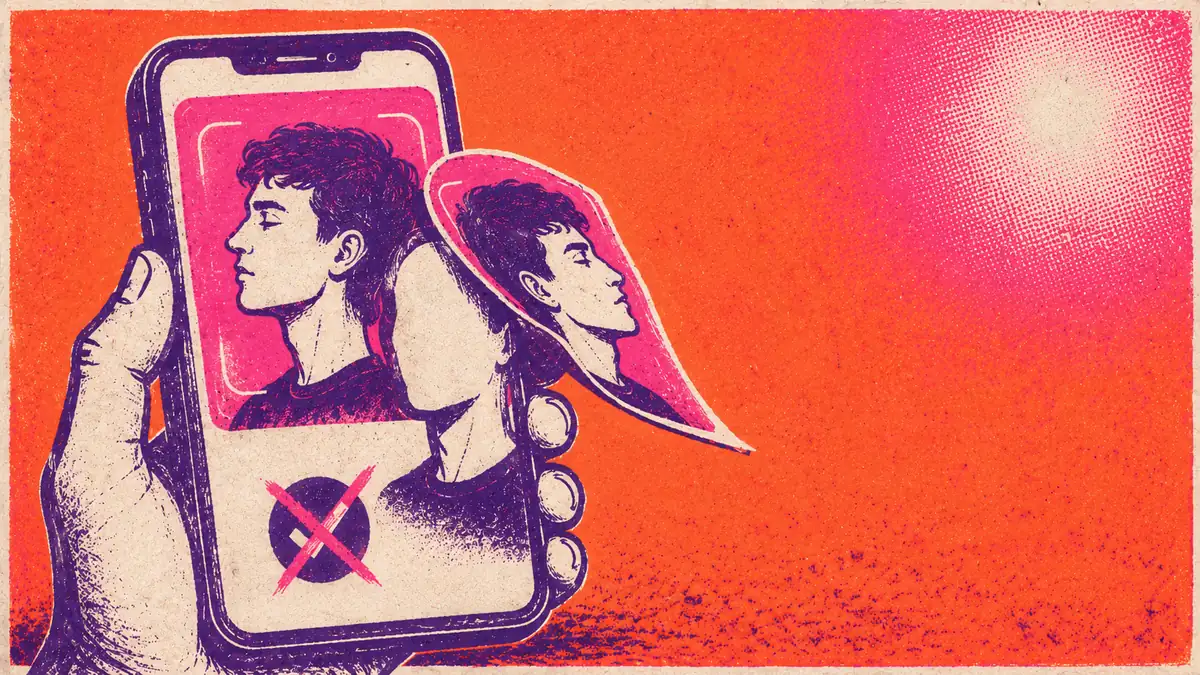
Then build the case: a side-by-side of the real and fake profile, direct links, your originals or registration certificate, and a clear pointer to the exact policy being broken. Submit it through the right channel, either the impersonation form or the IP and Brand Rights process, rather than a casual in-app tap. And stay realistic. Even a solid case can take a couple of rounds, and a removed account often returns under a new handle.
Where a takedown partner comes in
A single Instagram takedown is something you can handle yourself. A steady stream of them is not. Each one needs the right policy, fresh evidence, the correct form, and a follow-up when the fake comes back, and together they quietly turn into a part-time job nobody on your team has room for.
That is the job we take off your plate. nebty runs managed takedowns. We preserve the evidence, pick the strongest legal angle, file with the platform, and push until the fake is gone. Paired with monitoring, impersonation gets caught early and removed fast, instead of one draining case at a time.
Frequently asked questions
A customer reported a fake Instagram account to me. What should I do first?
Capture the evidence before it disappears: the profile URL, the exact handle, and full-screen screenshots of the bio and a few posts. Then assume it is not the only one. If one fake surfaced, others are probably live or on the way. Instead of a quick in-app report, build a complaint under the clearest policy (usually copyright, because the account reuses your photos and logo) and file it through Meta's intellectual-property form.
Why doesn't reporting it in the app remove the account?
An Instagram reviewer spends seconds on each report and approves a removal only when the violation is obvious at a glance. A vague "this is fake" tap, even from several people, usually comes back as "no violation found". A documented case tied to a specific policy gives the reviewer something they can approve without investigating.
Copyright or trademark: which removes a fake Instagram account faster?
On Instagram, copyright is usually quicker, because impersonators lift your photos, logo, and posts, and you can prove ownership with your originals. Trademark works well when they use your registered name in the handle. Pick whichever you can evidence instantly. "Fraud" is the slowest, because a reviewer will not research it.
The same impersonator keeps coming back. How do I break the cycle?
Pair detection with disciplined takedowns. Continuous monitoring flags each new account using your brand within hours, and a repeatable, evidence-based takedown process removes it before it builds an audience. A re-created fake then gets caught the moment it reappears, instead of weeks later.